Enduring On Construction
Stucco and EIFS repair
We repair and rebuild stucco and EIFS on buildings that stay in use while the work runs. Northern and central New Jersey, at elevated access.
Tell us what needs doingPerformed in Carlstadt · Clifton · Haworth · South Plainfield
- NJ HIC 13VH13745900
- Public Works 753861
- Fully insured
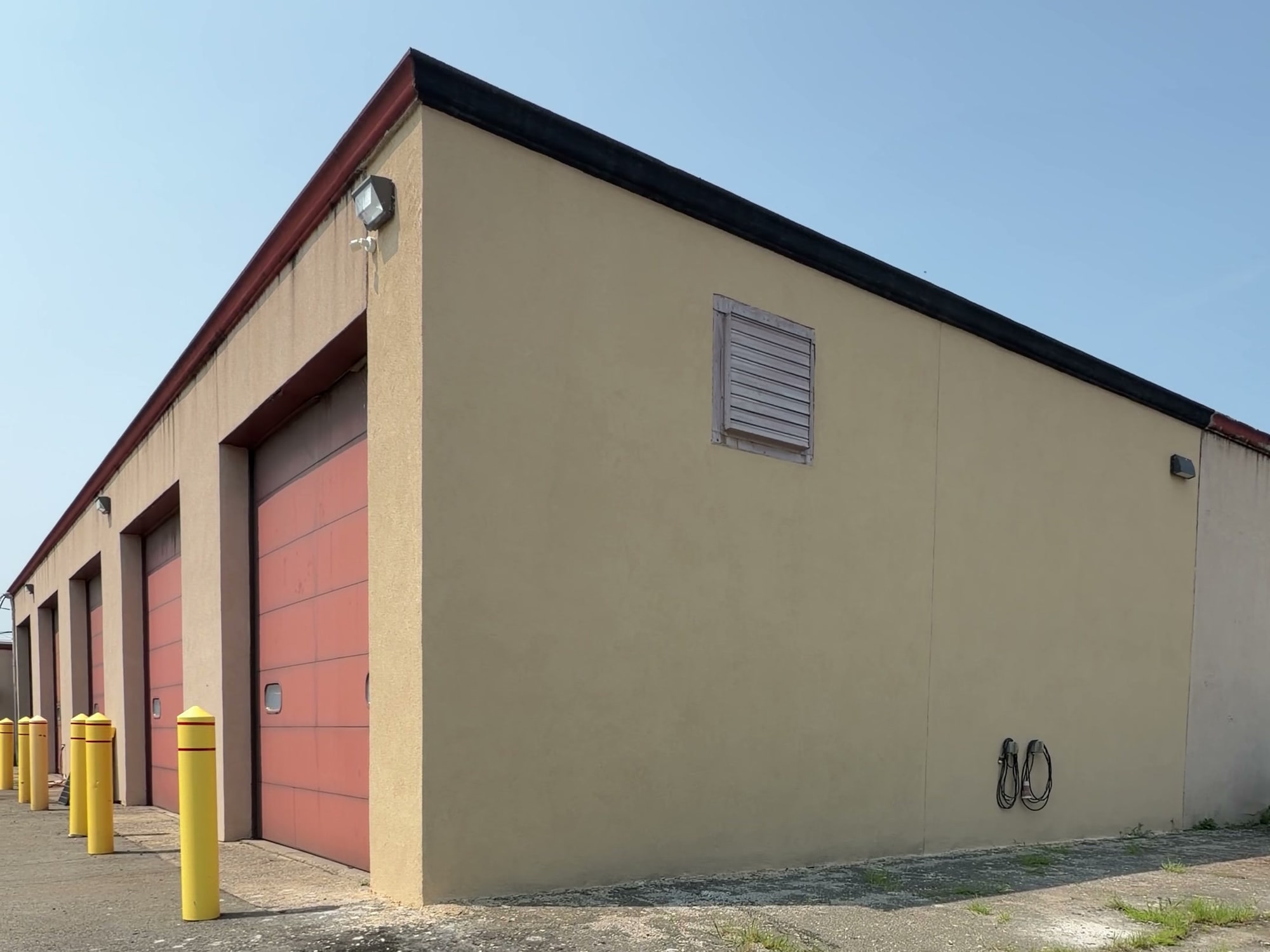
The building stays open
Elevations are staged by scaffold or lift so entrances and units stay reachable while the work runs.
Matched, not approximated
Finish coat is matched into the existing run on the wall rather than to a chart, and molding profiles are taken off the building.
Read before it is written
The elevation is sounded first, because that is what separates a surface repair from stripping back to substrate.
Where we have done it
Municipal facility exterior stucco
Carlstadt, NJ · Subcontract
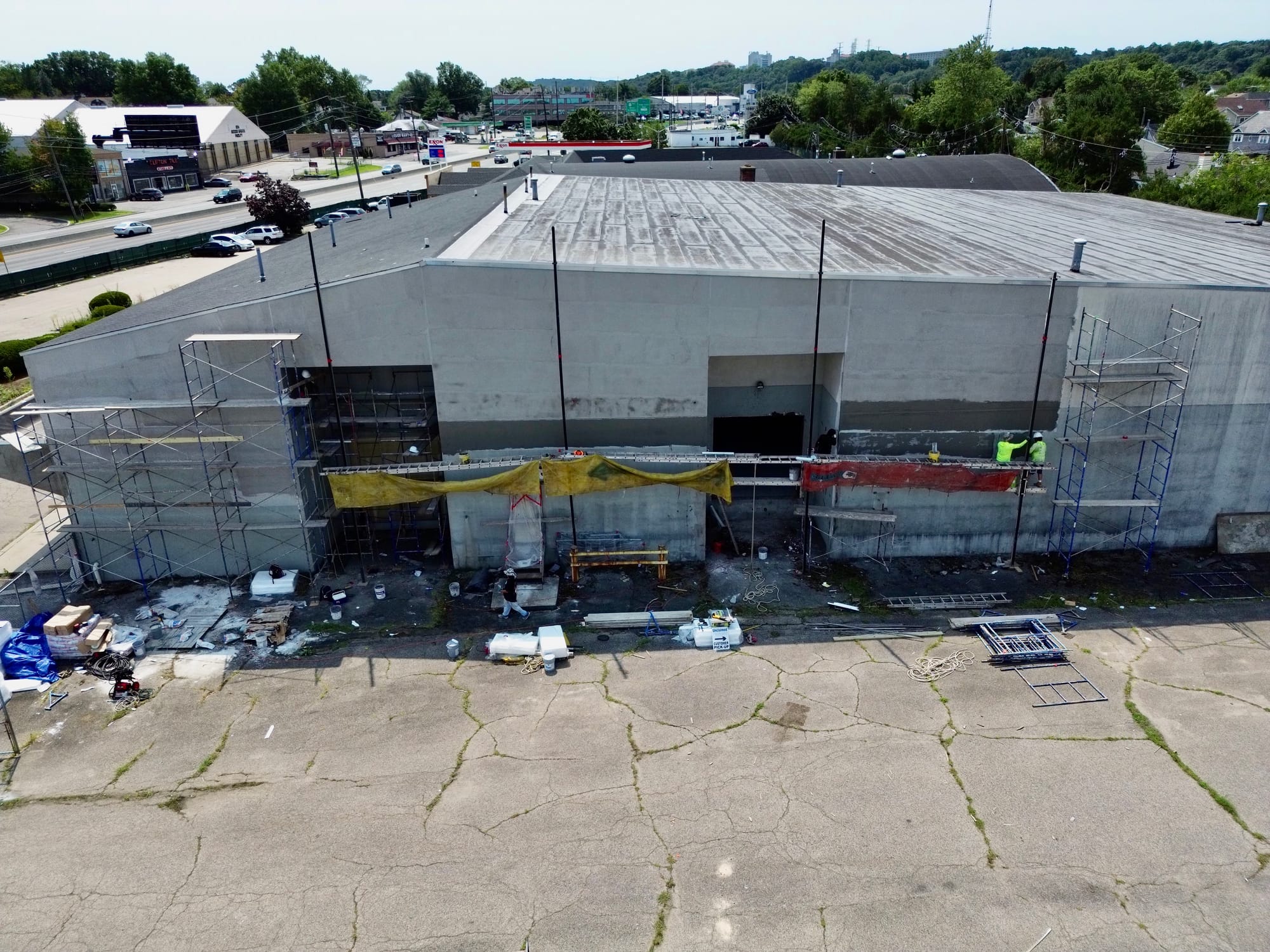
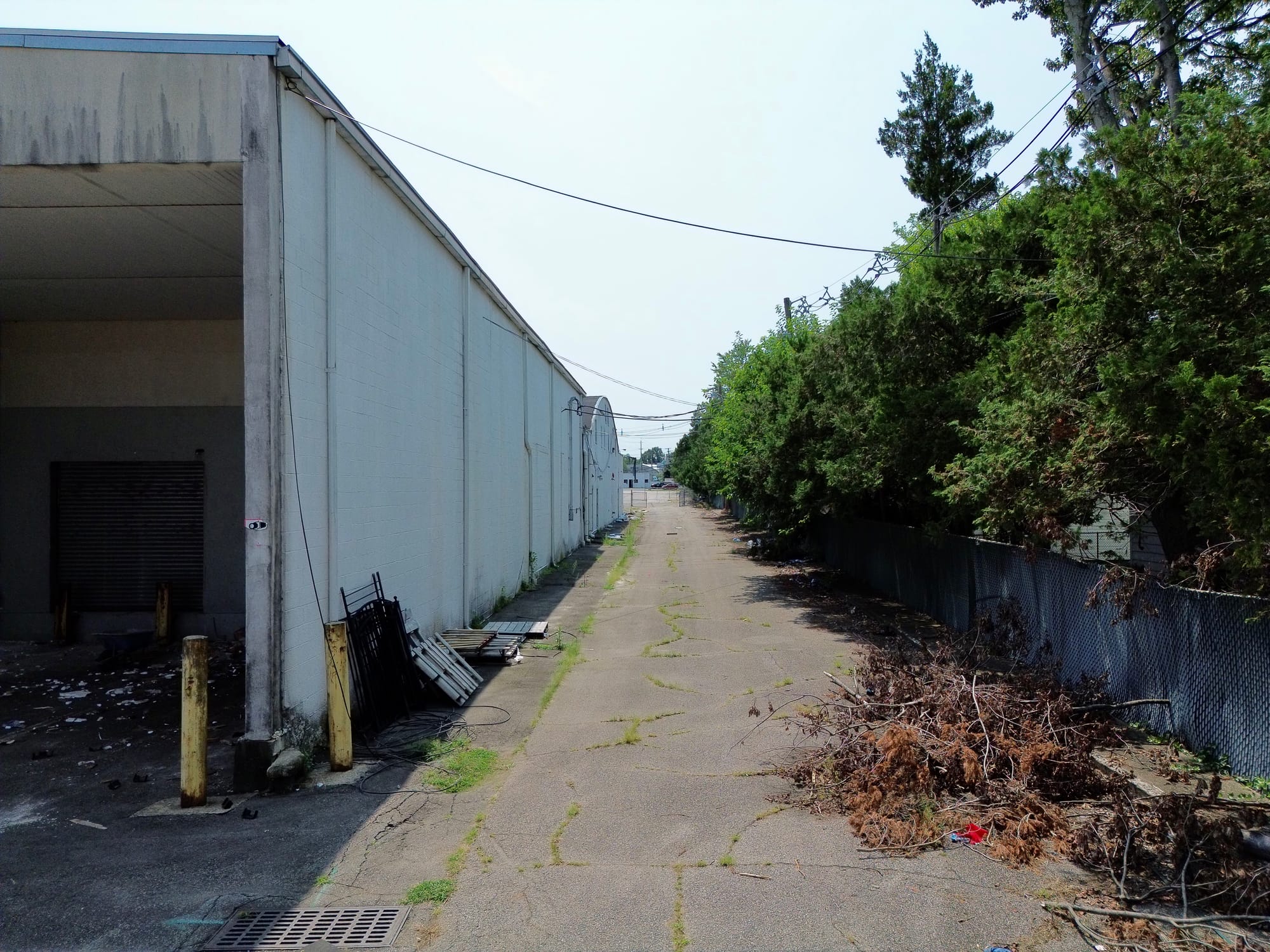
Retail plaza exterior restoration
Clifton, NJ · General contractor · 5 frames
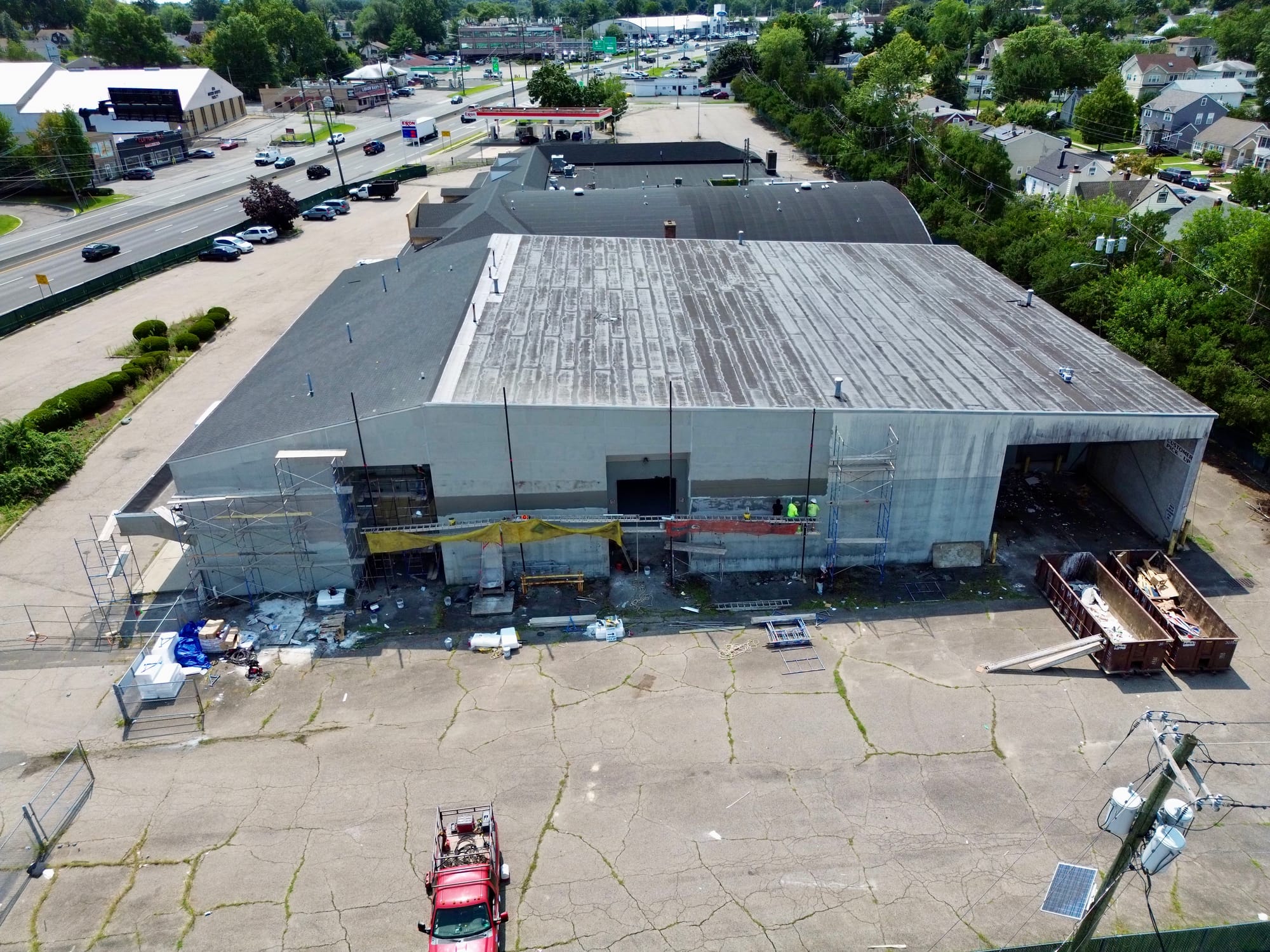
Retail plaza exterior restoration, frame 2 of 5
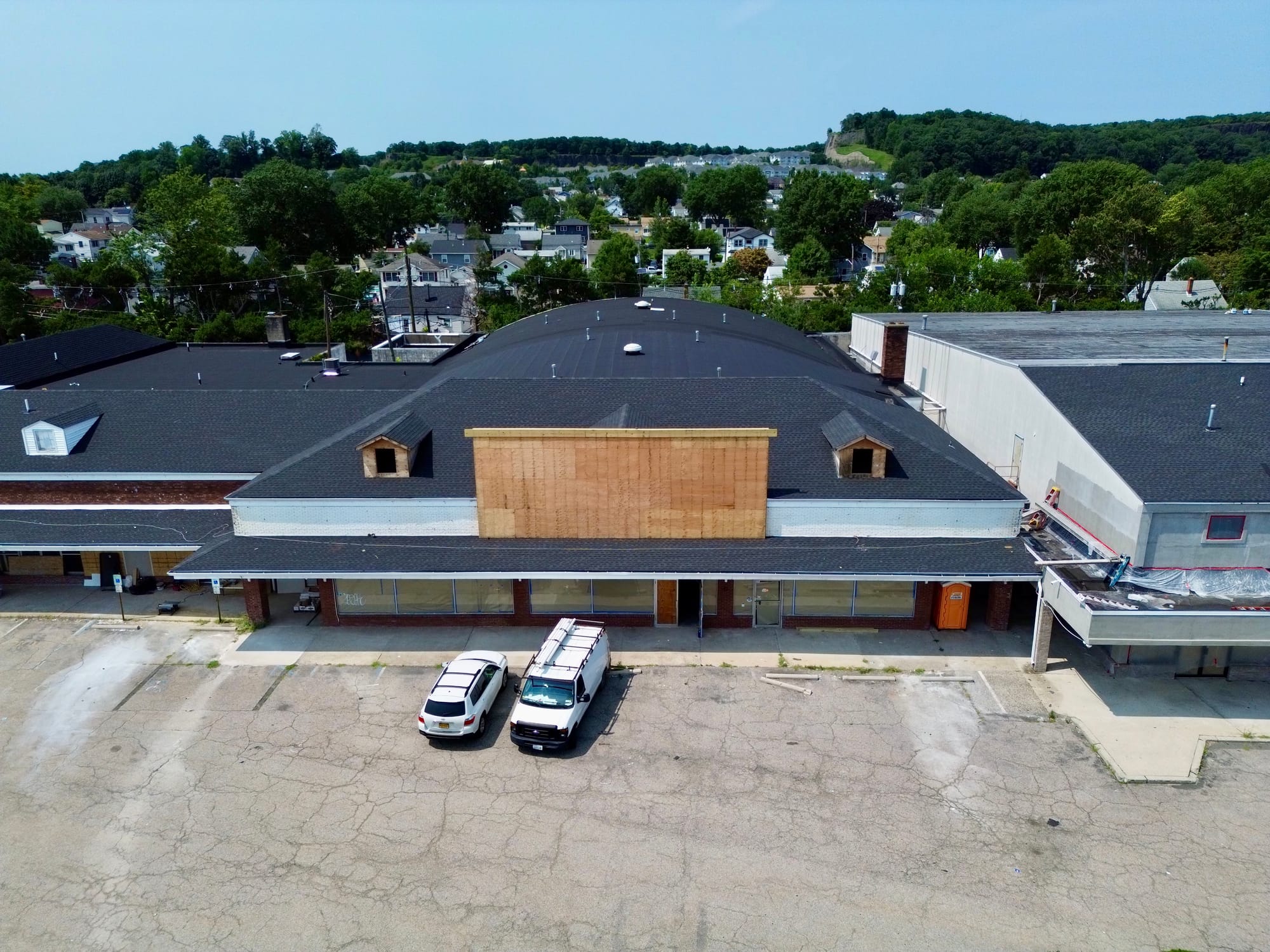
Retail plaza exterior restoration, frame 3 of 5
Retail plaza exterior restoration, frame 4 of 5
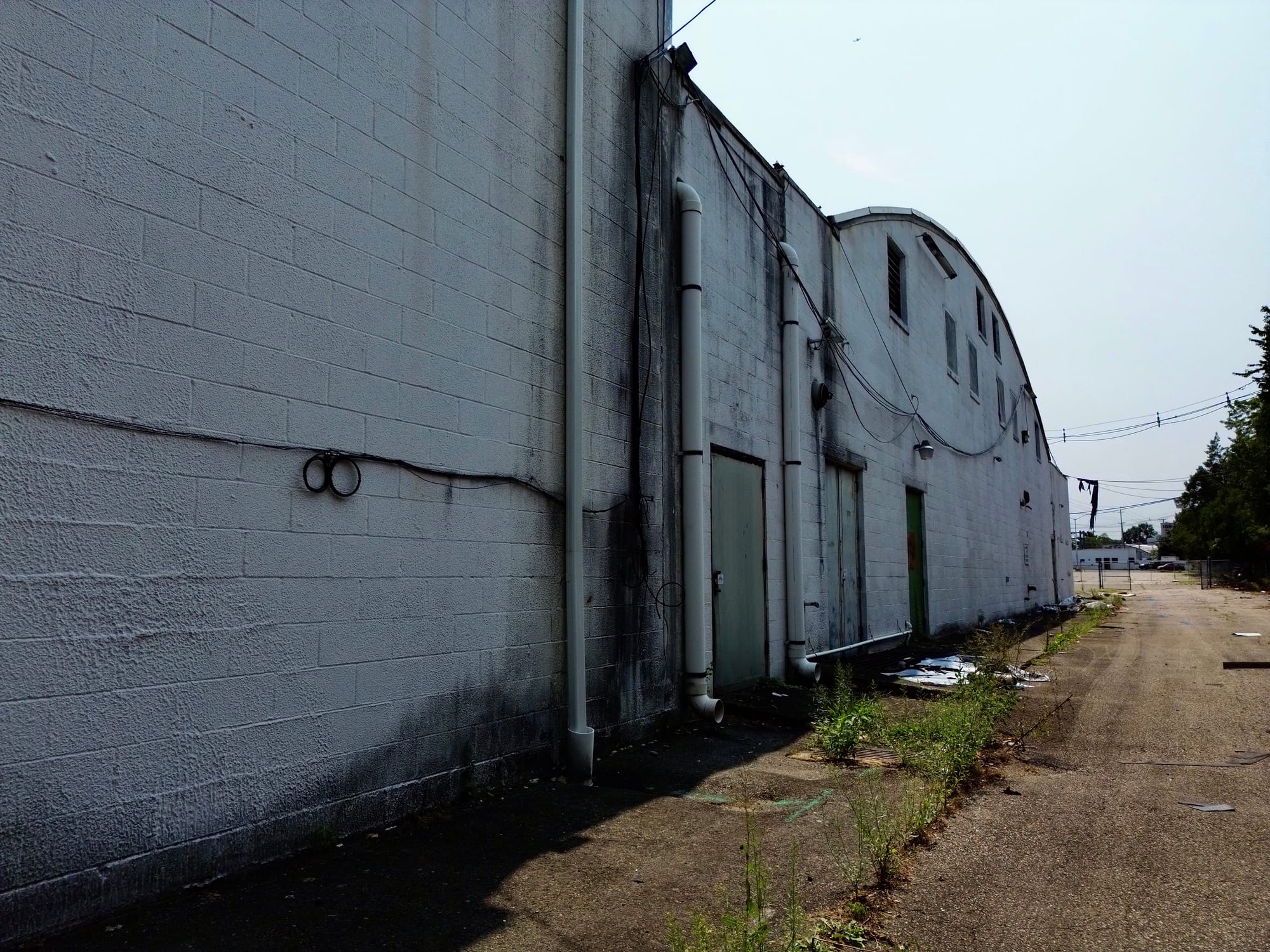
Retail plaza exterior restoration, frame 5 of 5
Each entry is a project on our register. Nothing here is a reference job we cannot name the town for.
01
Municipal facility exterior stucco
Carlstadt, NJ · Subcontract
Failed stucco stripped back to substrate and rebuilt on a municipal facility in Carlstadt, with the architectural molding finish run back in. The facility stayed in operation throughout.
Open02
Retail plaza exterior restoration
Clifton, NJ · General contractor
Stucco restoration across the storefront elevations and the anchor building of a tenanted retail plaza in Clifton, staged so the units either side of the work stayed reachable.
Open03
Country club exterior stucco
Haworth, NJ · General contractor
Rooftop chimney masonry repair and stucco refinish at a country club in Haworth.
Open04
Exterior restoration
South Plainfield, NJ · General contractor
Stucco, fascia and trim restoration on a house in South Plainfield.
Open
Tell us what needs doing
An address and a few photographs off your phone are enough to start. We will tell you what we are looking at before anyone talks about a price.
What the work covers
- Cracked, delaminated and impact damaged stucco and EIFS repaired in place.
- Failed systems stripped back to substrate and rebuilt as the specification calls for.
- Architectural molding, banding and trim finishes run to match what is on the building.
- Elevated access by scaffold or lift, with the elevations staged so entrances and units stay reachable.
- Finish coat matched into the existing run rather than to a chart.
Reference
What you are looking at
Pick the one closest to what is in front of you. This is the part worth reading before anyone gives you a number.
Cracking, and what the pattern is telling you
Fine map cracking across a field of stucco is a surface and coating condition, and the render behind it is usually still doing its job. Straight cracks running out of the corners of windows and doors are movement, because an opening is where a wall concentrates it. A crack that opens and closes with the season, or one with staining running out of it, is carrying water into the assembly and has stopped being cosmetic. The pattern is what decides between routing and a finish coat, and opening the wall up.
Delamination, where the render has let go of the substrate
Stucco can look intact from the ground and have lost its grip on what it is fastened to. The tells are a hollow note when the elevation is sounded, a soft area that flexes under hand pressure, and cracking that runs in a rough rectangle rather than a web. Once water is behind the render it stays there, and the lath, the sheathing and the framing are what pay for it. A field that has let go does not come back with a skim coat, however good the finish looks on the day.
Impact damage, and the open edge nobody closed
A ladder, a mower, a dock or a vehicle takes a piece out of the wall, and the hole itself is the smaller problem. The broken edge around it is raw and unsealed, so every rain wets the lath and the substrate through it. Filled with the wrong material and painted over, it keeps wicking and the failure spreads well past the original damage. The work has to reach back to sound material and rebuild the layers in the order the system was built in.
Sealant that has gone hard
Every joint where stucco meets something that is not stucco, a window frame, a door, a dissimilar material, is moving, and the sealant in it is the only thing accommodating that movement. Sealant that has hardened, split or pulled away from one face is an open joint whatever it looks like from the ground. Water entering there tracks behind the render and appears somewhere else entirely, which is why interiors get wet while the field of the wall looks fine. Joints are the first thing to read, not the last.
None of these quite it? Send a photograph and we will tell you what we are looking at.
Questions we get asked
- My stucco is cracked. Does the whole wall have to come off?
- Usually not. Fine cracking in render that still holds its grip on the substrate is a surface condition and it is dealt with in place. The wall comes off when the render has released, or when water has been getting behind it long enough to damage the lath and sheathing under it. Sounding the elevation is what separates those two cases, and it is done before anything is written.
- How can you tell stucco has delaminated without opening the wall?
- By sounding it. A sound field rings solid and a released one reads hollow, and the boundary between them is usually sharp enough to chalk on the wall. Hand pressure and a straightedge catch the rest, because a field that has let go will flex or sit proud of the plane around it. Opening a small section at the worst point confirms it and shows what condition the lath and sheathing are in.
- Will the repaired area be visible when the work is finished?
- That depends on the texture and on where the work stops. Finish is matched into the existing run on the wall rather than to a chart, and the tie in is taken to a break in the elevation, a corner, a joint or a band, rather than stopped in the middle of an open field. Material that has weathered for years is never identical to new work close up. Tied in at a break, it reads as the wall.
- Is EIFS handled the same way as traditional stucco?
- No, and treating one like the other is how EIFS work fails. Traditional stucco is a cementitious render on lath over a substrate. EIFS is insulation board with a reinforcing mesh, a base coat and a thin finish, and its strength is in the mesh, so new work has to cut back to sound board and lap new mesh into the old rather than butt up to it. Both systems are covered here, and the first question on any elevation is which one is actually on the building.
- Can the building stay open while the elevation is worked on?
- Yes, and most of this work runs that way. A municipal facility in Carlstadt stayed in operation while its failed stucco was stripped back to substrate and rebuilt. At a tenanted retail plaza in Clifton the elevations were staged so the units either side of the work stayed reachable. Access is by scaffold or lift depending on the elevation, and the staging is part of the scope rather than something worked out on the first morning.
- Can architectural molding, banding and trim profiles be run back in?
- Yes. Profiles are matched to what is on the building and run back as part of the rebuild, which is what happened on the municipal facility in Carlstadt after its failed stucco came off. The profile is taken off the existing work, not out of a catalog. Where a band or a molding is the thing cracking, it is often the detail above it shedding water onto it that has to be solved first.
- Why does the same crack keep coming back after it is filled?
- Because filling a crack treats the symptom of a movement that is still happening. Cracks recur where there is no joint to take that movement, where two different substrates meet behind the render, or where a sealant joint nearby has failed and is wetting the assembly. Until the source of the movement or the water is dealt with, whatever goes into the crack is on a clock.
The rest of what we do on a building envelope
Send us the job
Drawings, or a building that needs work. We will come and look at it with you.

Enduring On LLC, license, registration and contact details
Contractor
Enduring On Construction
Enduring On LLC · New Jersey general contractor
Home improvement
13VH13745900
NJ Div. of Consumer Affairs
Public works
753861
NJ Dept. of Labor
New home builder
0058509
NJ Dept. of Community Affairs
Based
Clark, New Jersey
Telephone
(908) 887-3118Fully insured, with certificates and additional-insured endorsements issued on request. Registered with the New Jersey Department of Labor to perform public work at prevailing wage.
Verifiable with the State of New Jersey