Step 1 of 3
Understand it
The short answer, then why it happens.
The short answer
A skim coat works when the existing stucco is still firmly bonded and the wall behind it is dry and sound. It evens the surface and covers fine cracking. It cannot fix stucco that has let go of its base, a wall that is wet or framing that is damaged. When the problem is deeper than the surface, the failed stucco has to come off and be rebuilt. A repairer tests the bond and the moisture before choosing.
What a skim coat is, and is not
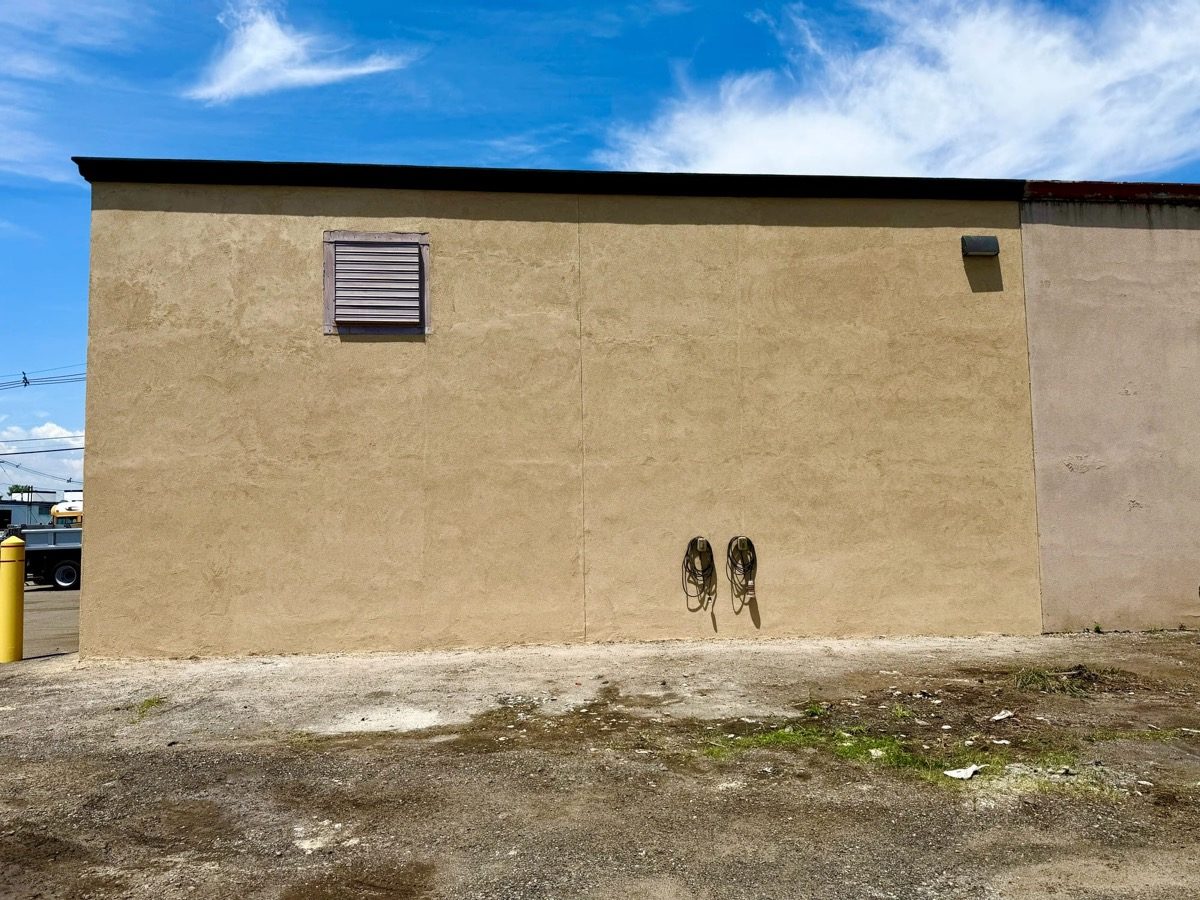
A skim coat is a thin new layer, troweled over existing stucco to even the surface, cover fine cracks and give the wall a fresh finish.
It is a renewal. The old wall stays and the new layer goes on top of it. Because the layer is thin, it also follows the old texture and any ridges or patches underneath unless those are smoothed first, so the preparation before the coat matters as much as the coat itself.
That is also its limit. A skim coat only works as well as what it is stuck to. If the old stucco is solid, the new layer bonds to it and the wall gets a second life. If the old stucco is loose, wet or sitting on a damaged base, the new layer sits on a failure and fails with it.
 AI-generated illustration
The test that decides it
The first question is whether the existing stucco is firmly bonded.
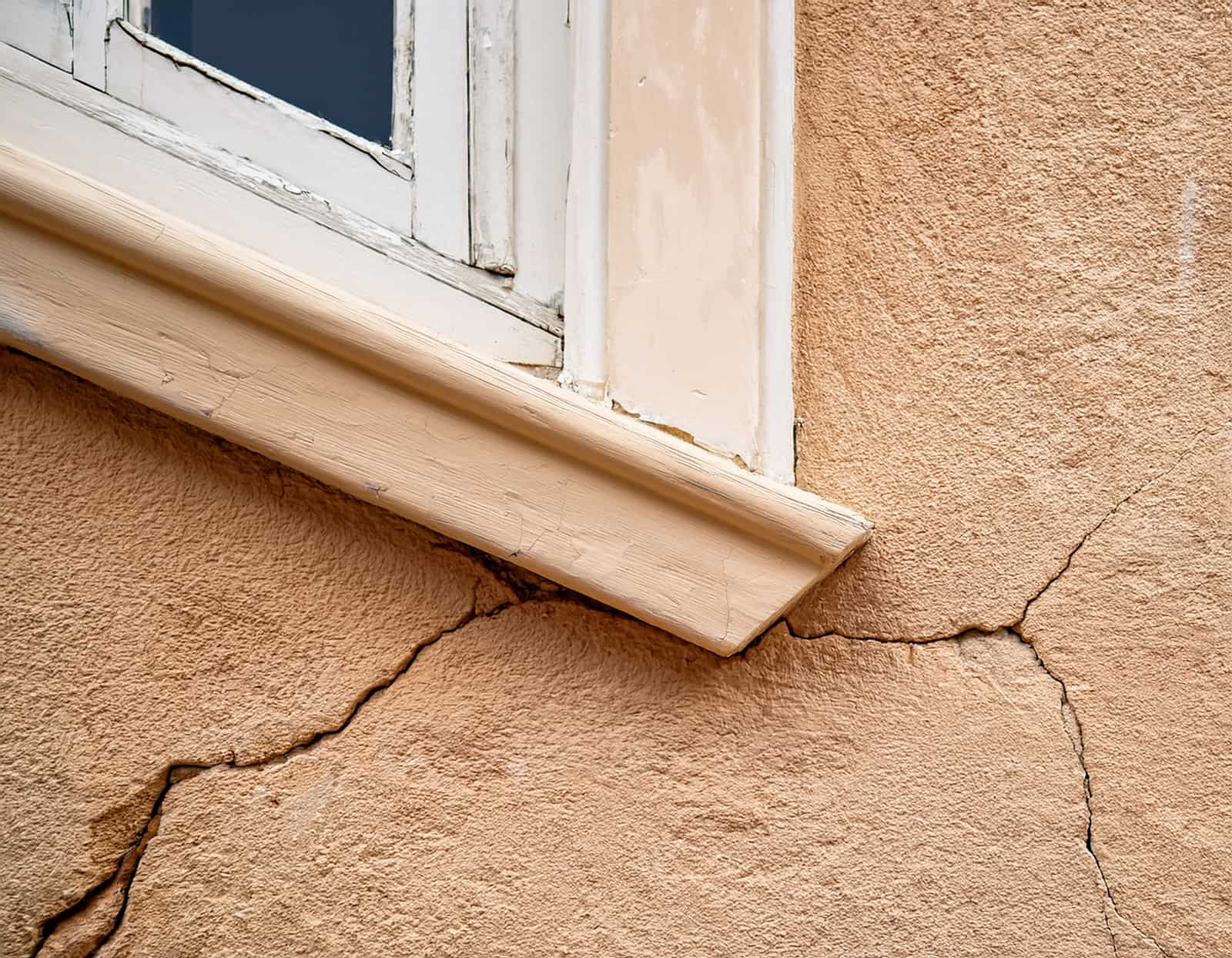
Tapping the wall is a common first test, and a hollow sound suggests the stucco has let go of the layer under it. A few small hollow areas can be repaired. Large areas of it point to a bond that is failing across the wall.
The second question is what is behind. A dry, sound wall can take a skim coat. A wall with moisture readings that are high, soft sheathing or rotted framing cannot, whatever the surface looks like. That is why a moisture reading and one or two small test openings are often part of the decision, as the extent of damage cannot be told from a photograph alone.
Step 2 of 3
See it
Each picture sits right after the section it explains.
See itIllustrates section 02: The test that decides it
Watch it happen
Is the old stucco still bonded?
A skim coat is a thin new layer over sound stucco; tapping tells solid from hollow; a skim coat over a failed base fails with it, so failed areas are cut out and rebuilt before the whole wall is skimmed.
1. A thin new layer
A skim coat is a thin new layer, troweled over existing stucco to even the surface, cover fine cracks and give the wall a fresh finish.
2. Is it firmly bonded?
Solid stucco gives a dull, firm sound. Stucco that has let go of the layer under it gives a hollow, drumlike sound.
3. A skim coat is only as good as its base
If the old stucco is loose, wet or sitting on a damaged base, the new layer sits on a failure and fails with it.
4. Cut out the failed areas
The sensible plan is to cut out and rebuild the failed areas.
5. Rebuild only what failed
You do not tear off a good wall because a part of it failed, and you do not cover a failed part because the rest looks fine.
6. Then skim the whole wall
Then the whole wall is skimmed or recoated so the repairs and the old surface read as one.
When a skim coat makes sense
A skim coat is a good answer on a wall that is mostly sound but tired.
Fine map cracking across the surface, a worn or uneven finish, old patches that do not match and general weathering are all things a new layer can cover. If the base is dry and bonded, the result is a uniform wall at a fraction of the work of a rebuild.
Where the cracks are fine and not moving, some repairers work a fiber reinforced coat into the skim to help it hold the surface together. Whether that is needed is a decision made on the wall, based on how widespread the cracking is, and a clear quote says so if it changes the scope.
 Our work
When it is the wrong answer
A skim coat is the wrong answer when the problem is deeper than the surface.
Large hollow areas, crumbling material, cracks that are wide and still moving, signs of water behind the wall and damaged framing all point to removal. Covering them with new material does not stop the cause, and the new layer can crack along the old lines again.
It is also wrong where the wall is wet. Sealing a wet wall under a new coating traps the moisture, and the damage continues out of sight. We would rather tell you the wall needs opening than sell a coat that will let you down.
The middle path: patch what is bad, skim what is good
Most real walls are somewhere in between.
A few areas are bad, usually near windows or the roofline, and the rest is sound. A common plan is to cut out and rebuild the failed areas, then skim or recoat the whole wall so the repairs and the old surface read as one.
That keeps the cost and the disruption in proportion. You do not tear off a good wall because a part of it failed, and you do not cover a failed part because the rest looks fine. Naming the repair areas as their own item, with the extent clearly described, keeps the scope honest.
How we make the call
We find the cause before repairing anything.
We walk the wall, tap it, look at the details at the openings and the base, and take moisture readings where there are signs of water. Where the result is not clear, we make a small test opening to see the layers behind.
Then we tell you what we found and what the options are, including the least we would do and the most. If the decision depends on what we find when we open a section, we say that, and we explain how the scope would change. A skim coat is a good tool, and we use it where it fits.
Step 3 of 3
Act on it
Quick answers, where to read next, and how we can help.
Questions people ask
Is a skim coat cheaper than replacement?
Generally it involves less work, because the existing wall stays. But a skim coat over a failing wall wastes the work, so the right comparison is what each does for the condition of your wall.
How long does a skim coat last?
It lasts as long as the wall under it stays bonded, dry and stable. On a sound wall it can last a long time. On a failing one it can fail early.
Will a skim coat hide my cracks?
It can cover fine, stable cracks. A crack that is wide or still moving can telegraph back through. We look at why it is cracking before choosing.
How do you know the wall is bonded?
A repairer taps it for hollow areas, checks cracks and edges and, where needed, makes a small opening to see the layers behind. Moisture readings add information about what is behind.
Can I do a skim coat myself?
Small, low areas on sound stucco are possible for a careful person. A full wall is skilled work, and if it goes on over a failing base you lose the effort. We would look first.
Seeing this at your place?
Send us a few photos through the contact page and the chat there, and we'll tell you what we think.
Request an estimateOur stucco and EIFS repair workAll guides
Enduring On Construction, a New Jersey general contractor. NJ home improvement contractor registration 13VH13745900.
