Step 1 of 3
Understand it
The short answer, then why it happens.
The short answer
Repointing means taking failed mortar out of the joints of a brick or stone wall and filling them with new mortar. Traditionally, tuckpointing is a more specific craft in which the joint is filled to match the brick and a thin line of a second color is added to suggest a finer joint. Today the two words are often used loosely for the same job. What decides whether the work lasts is not the word on the quote but how deep the old mortar is cut out and how well the new mix suits the wall.
Where the two words come from
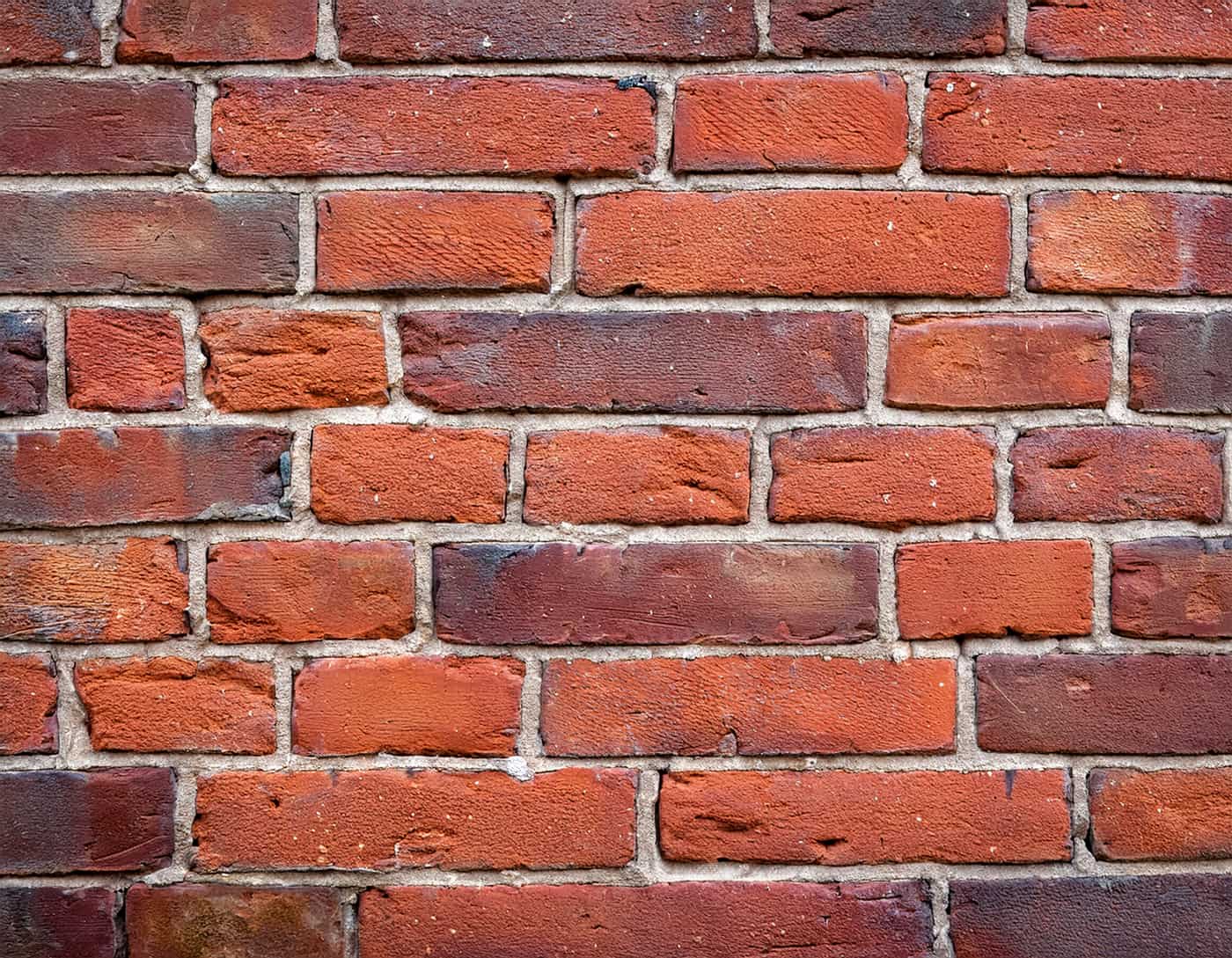
Repointing is the plain term. The pointing of a wall is the outer face of the mortar joint, the part you see and the part the weather hits.
To repoint is to renew that face, and a proper job renews more than the face, because a skim of new mortar over old mortar has nothing to hold on to.
Traditionally, tuckpointing was a finishing trick. Old brick was sometimes uneven in color or shape, and the joints were filled with mortar tinted to match the brick so the wall read as one smooth surface. A thin raised line of white or light mortar was then laid along the center of the joint, which made the joints look neat and narrow. The word comes from tucking that second mortar into the first.
That craft is still practiced in some places, but on many houses, a tuckpoint quote is simply a repoint quote written by someone who learned the older word. If the quote does not mention a contrasting line, it is probably asking for the plain job.
 AI-generated illustration
What the work actually involves
Whatever it is called, the sequence is the same.
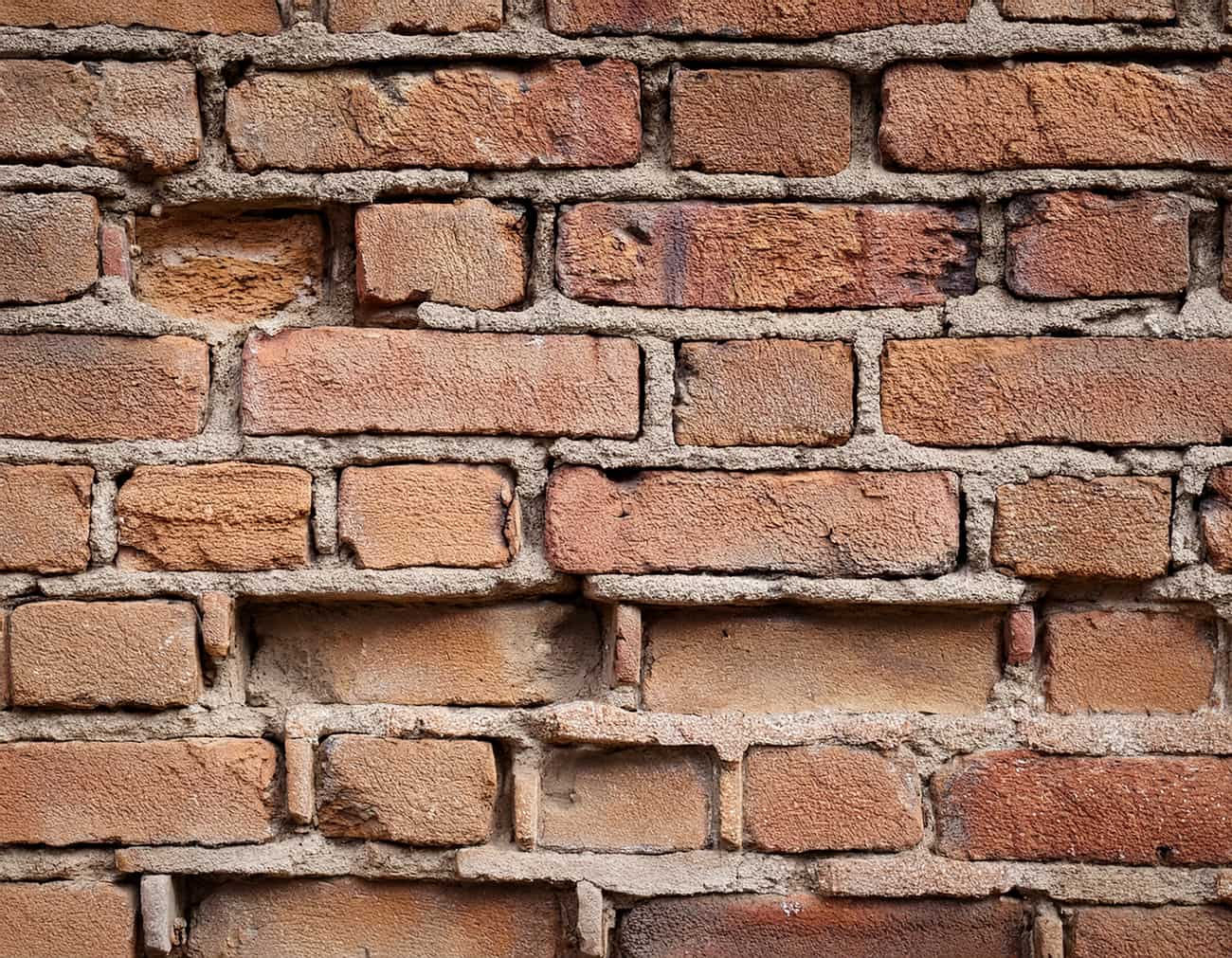
The old mortar is cut out of the joint to a depth, as a rule of thumb about twice the width of the joint, so the new mortar has a real pocket to sit in. Grinders are fast but can chew the brick edges if the operator is careless, and hand tools are slower and gentler. On soft old brick, slower tools are often the safer choice.
The joints are then brushed and rinsed so dust does not sit between the old and new mortar and break the bond. The brick is dampened so it does not pull the water out of the fresh mix too quickly. New mortar is packed in thin layers, with each layer allowed to firm up, and the last layer is tooled to match the shape of the joint that was there before.
Every one of those steps is invisible once the wall is finished. That is why the quote deserves a question about the depth and the tools. Two bids for the same wall can differ a lot in time spent, and the extra time is almost always in the cutting out.
Step 2 of 3
See it
Each picture sits right after the section it explains.
See itIllustrates section 02: What the work actually involves
Watch it happen
How a joint is repointed
A section of brick wall with worn joints: the old mortar is cut out, the joints cleaned and dampened, new mortar packed in layers and tooled.
1. Joints that have worn
Joints that are recessed deep enough to lose their shape, and mortar that crumbles when you rub it, say the wall has reached the point where water is getting in.
2. Cut out the old mortar
The old mortar is cut out of the joint to a depth, as a rule of thumb about twice the width of the joint, so the new mortar has a real pocket to sit in.
3. Brush and rinse
The joints are then brushed and rinsed so dust does not sit between the old and new mortar and break the bond.
4. Dampen the brick
The brick is dampened so it does not pull the water out of the fresh mix too quickly.
5. Pack in thin layers
New mortar is packed in thin layers, with each layer allowed to firm up.
6. Tool the joint
The last layer is tooled to match the shape of the joint that was there before.
7. A renewed wall
Every one of those steps is invisible once the wall is finished, which is why the quote deserves a question about the depth and the tools.
When a wall needs it
The signs are visible from the ground.
Joints that are recessed deep enough to lose their shape, mortar that crumbles when you rub it, gaps where you can see daylight or the edge of the next brick, and plants or moss growing in the joints all say the wall has reached the point where water is getting in.
A joint that is only dirty or discolored is not a joint that needs work. Mortar darkens with age and with algae on the shady side of a house, and that alone is not a reason to cut anything out. A wall that is cracked in a stepped line across several courses is a different question altogether, because that suggests the wall moved and the joints are showing it.
If the wall has been repointed before, look at how the old repair has aged. A previous repair that has held for decades tells you the mix was right. A previous repair that has cracked away from the brick, or that sits proud of the face, tells you the next one needs to be done differently.
Matching the mortar to the brick
The mix matters as much as the method.
On an older, softer brick, a mortar that is too hard will leave the joints intact and push the damage into the brick faces. That is covered in more detail in our guide on why mortar should be softer than brick. The short version is that the new mortar should match the strength of the old, not exceed it.
Color is the other half. Fresh mortar always looks lighter than weathered mortar, and a patch that looks fine in the bucket can look bright on the wall for the first season. A small test patch in an inconspicuous spot lets you judge the color and the tooling before the whole wall is done, and it is cheap protection against a result you do not like.
Sand makes a difference people overlook. The size and color of the sand in the mix shape both the texture and the shade of the finished joint. A mason who can show you a sample of a finished repoint, and say what went into it, is telling you they pay attention to this.
What to ask when you get a quote
Ask how deep the old mortar will be removed and what tool does it.
Ask how the mix will be chosen and whether a test patch comes first. Ask whether any bricks will be replaced where they are cracked or crumbling, and how those will be matched. Ask what happens at the places where water reaches the wall, such as a downspout or a window sill, because joints beside those places tend to fail first.
A good answer is specific and unhurried. A poor answer is a single product name, a promise that it will last a lifetime, or a price given before anyone has looked at the wall. Mortar work is slow, and a quote that is much faster than the others usually skips the cutting out.
If you are not sure which wall needs what, a few photos taken from the ground are enough for a first opinion. We will tell you whether it looks like a repoint, a patch of a few joints, or a wall that should be left alone for now.
Step 3 of 3
Act on it
Quick answers, where to read next, and how we can help.
Questions people ask
Is tuckpointing better than repointing?
Neither is better in itself. The quality of the work depends on how deep the old mortar is removed, how the new mix is matched to the wall and how carefully it is packed and tooled. Tuckpointing adds a decorative line to the finish, but that line is not what keeps water out.
How long should a repoint last?
It depends on the wall, the exposure and the mix, and nobody can honestly promise a number of years from a photo. A properly cut out and well matched joint on a wall that drains water away from its face will outlast a quick skim of mortar by a wide margin.
Do all the joints have to be redone?
Not always. If the failure is limited to one side of the house or to the lower courses, it can make sense to repoint only those areas. The risk of doing a few joints is a patchwork look, so the color match and tooling matter more on a partial job.
Can I do it myself on a small area?
A small, low area with sound brick is a reasonable thing to try if you can cut the old mortar out deep enough and match the mix. Above the first floor, or on soft brick, the risk of damage is higher and we would rather look before you start.
Will repointing fix a wall that leaks inside?
It can help if the water is coming in through open joints, but it will not fix a leak that starts at a gutter, a window or the roofline. It is worth finding where the water enters before assuming the mortar is the only cause.
Seeing this at your place?
Send us a few photos through the contact page and the chat there, and we'll tell you what we think.
Request an estimateOur masonry repair workAll guides
Enduring On Construction, a New Jersey general contractor. NJ home improvement contractor registration 13VH13745900.
