Morris County, New Jersey
General contractor in East Hanover, NJ
East Hanover, NJ
East Hanover, NJ
East Hanover, NJ
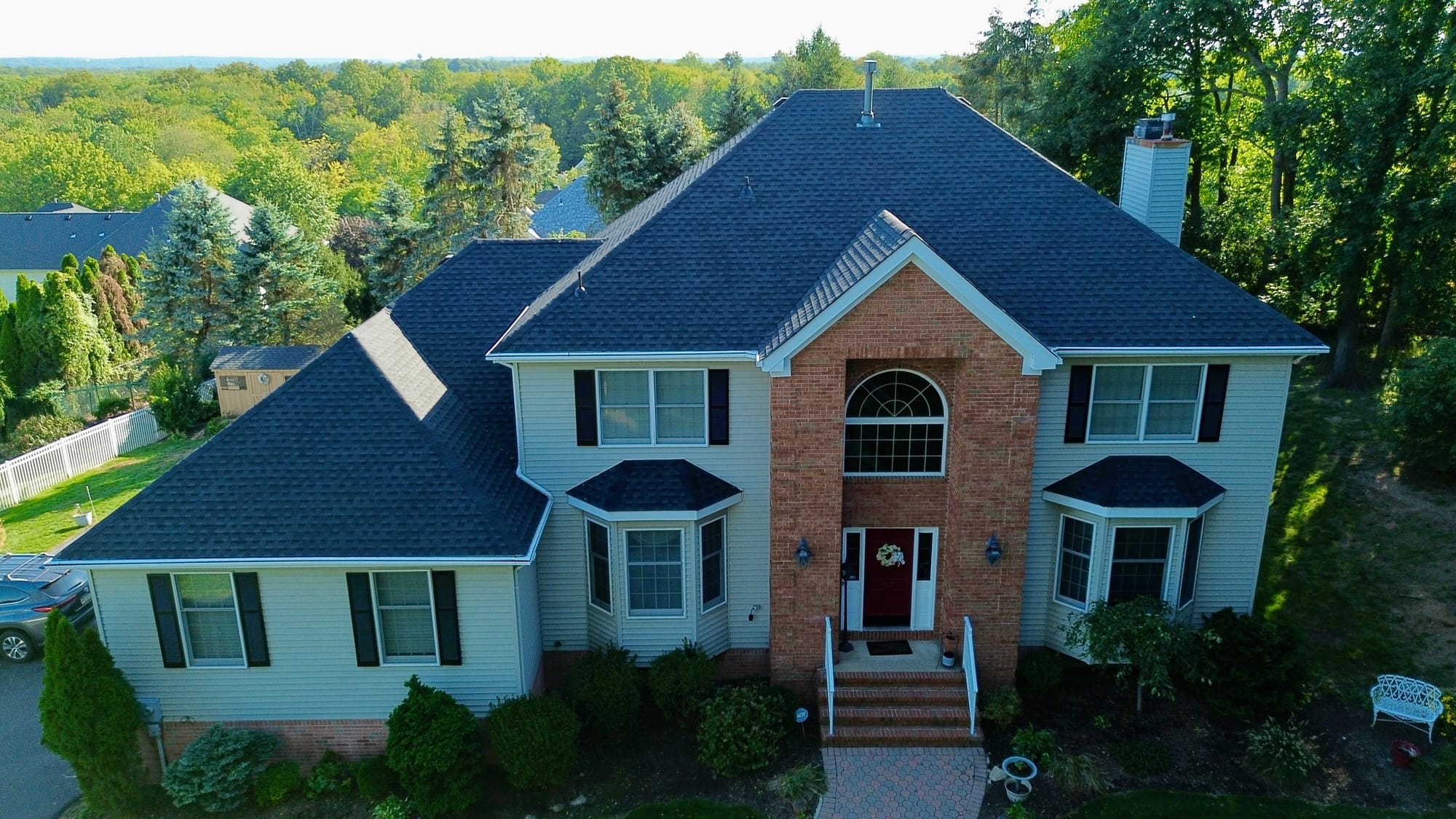
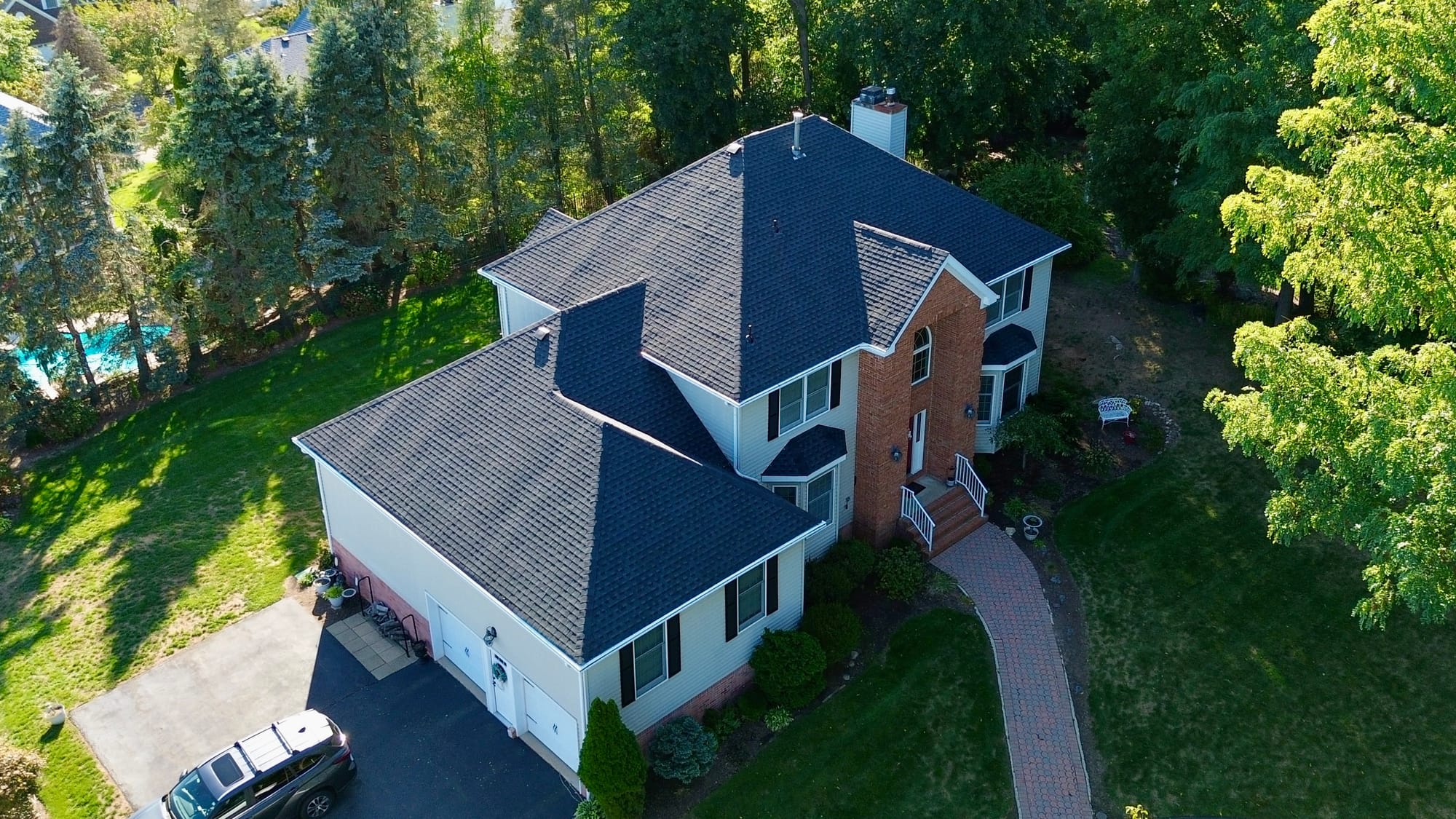
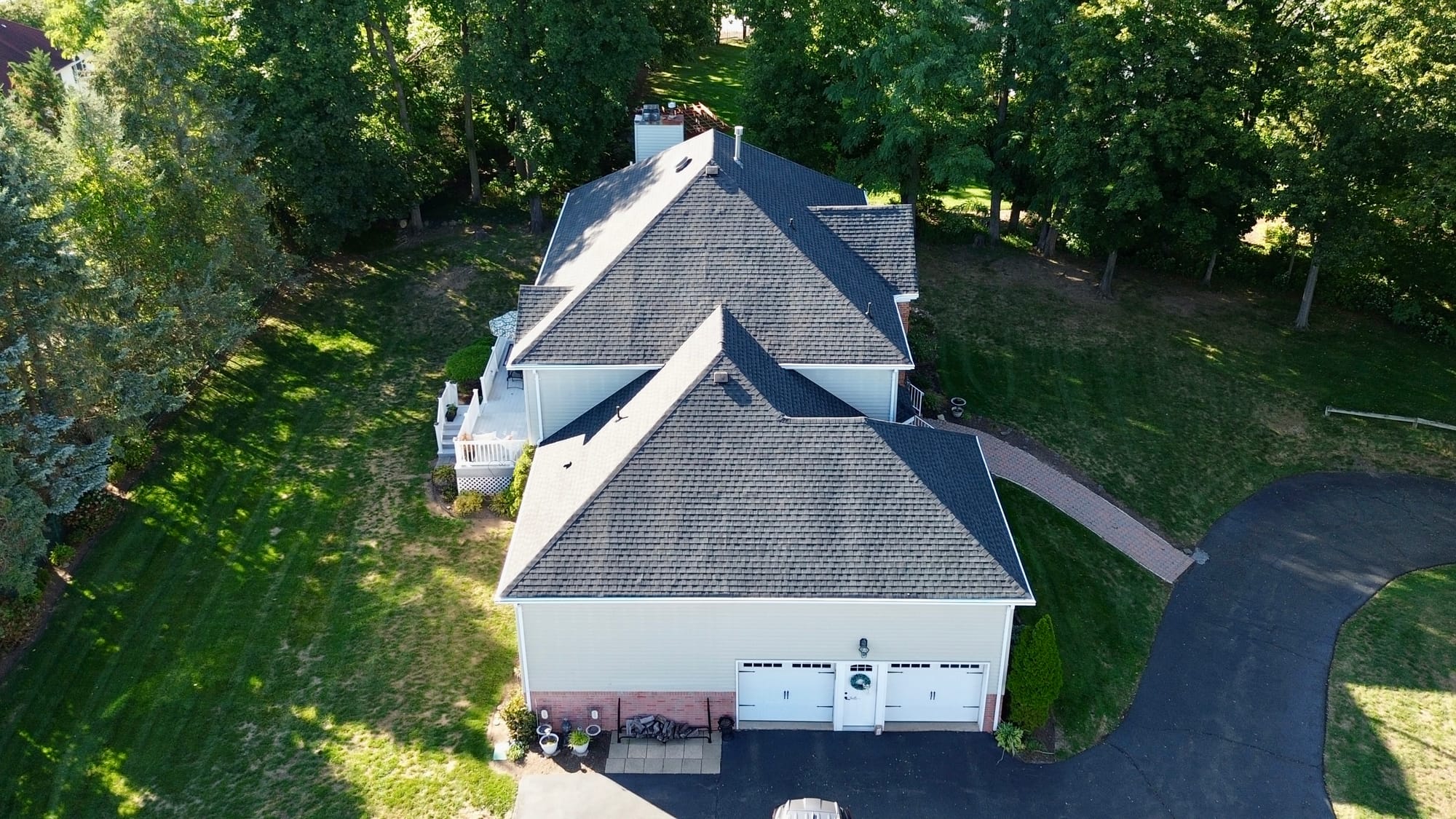
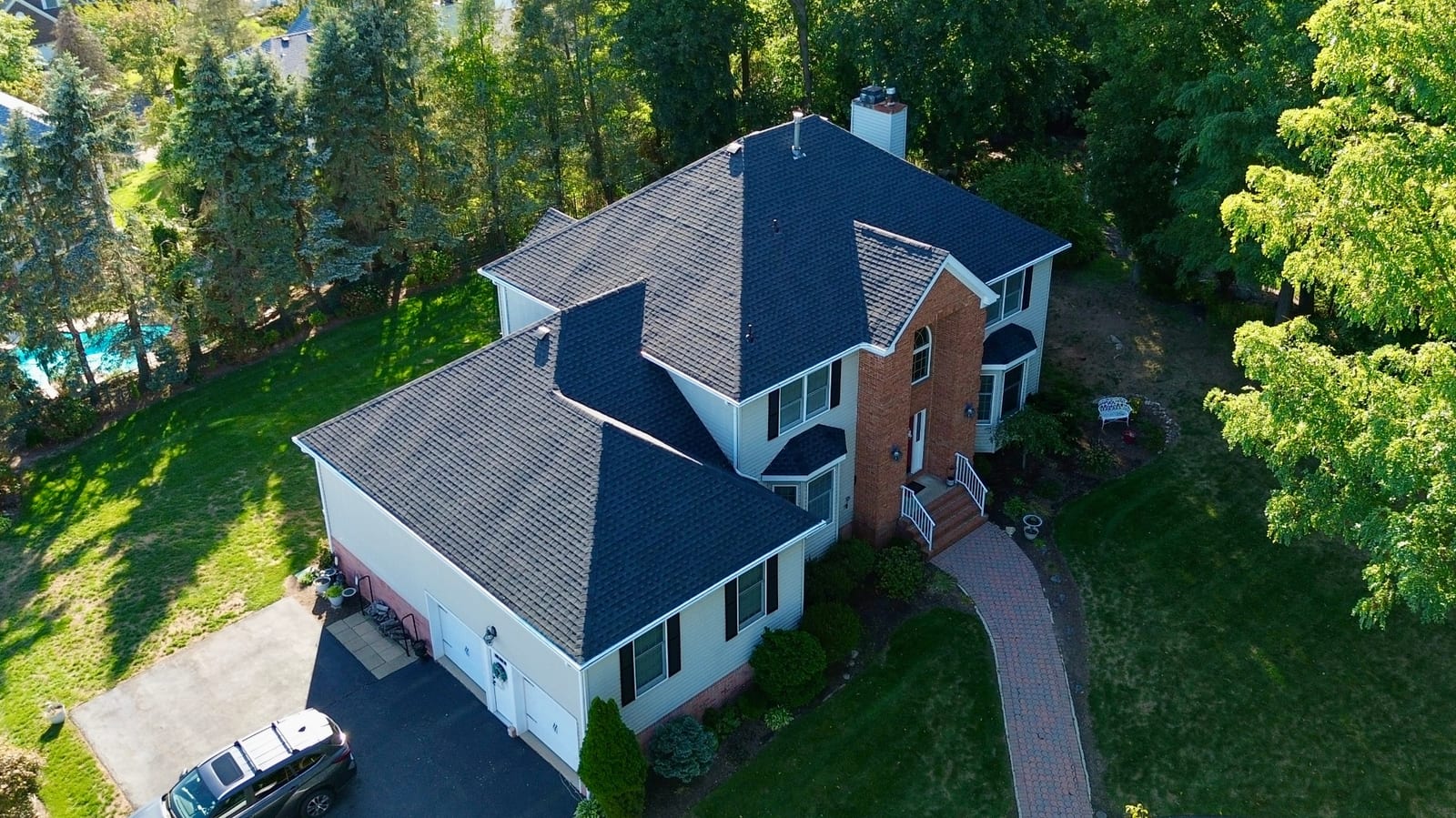
Enduring On completed a full roof replacement in East Hanover on a roof that was in critical condition: old enough that it was coming apart, not simply worn in appearance. The job was both a look problem and a structural one, and Enduring On treated it as both: the existing roofing came off down to the deck across the main roof and the separate shed roof alike, and both went back together with new underlayment and a GAF Timberline architectural shingle system. East Hanover sits in Morris County, one of the counties Enduring On works in.
East Hanover ties a zoning permit to every building subcode permit, roofing included -- so a like-for-like tear-off and reshingle still clears zoning sign-off before the construction permit is issued, not just an inspection at the end. Scheduling a roof job here means filing both applications up front rather than treating zoning as a formality.
A township built almost entirely after the Second World War
East Hanover had 946 residents in 1930 and grew to 11,393 by 2000, with the population doubling in the single decade between 1950 and 1960 alone. That means the overwhelming share of the township's housing dates to the postwar suburban building boom rather than to an earlier era, and a roof, siding or gutter system installed when a given house was first built is now well past its original service life across most of the township at once, not on one scattered house at a time. It is also why the roof tear-off above reads as typical of the township rather than unusual for it.
Two rivers and a National Natural Landmark wetland
East Hanover sits between the Whippany River to its west and north and the Passaic River to its east and north, and Troy Meadows, a 3,100-acre freshwater wetland designated a National Natural Landmark, extends partly into the township. Property near either river corridor or the wetland boundary carries a real chance of state or federal review beyond the township's own zoning and subcode process described above, which is a different exposure than a property in the middle of the township, away from either waterway, would face for the same scope of work.
A small township carrying two corporate headquarters
East Hanover is only about 8.1 square miles, and inside that footprint it carries the North American headquarters of Mondelez International, the parent company of Nabisco, and major operations for the pharmaceutical company Novartis. That is a meaningful commercial and institutional building footprint packed into a small, mostly residential township, governed since 1992 under the Faulkner Act's small-municipality form, which means the same construction office and mayor-council structure that reviews a residential reshingle also reviews work at that corporate scale.
No blanket historic overlay in East Hanover
The township's oldest recognized structures, including the Gate of Heaven Cemetery, established in 1937 by the Roman Catholic Archdiocese of Newark, and the Ellis Cook House, are individually documented rather than part of a historic district with its own design-review commission. That means exterior work almost anywhere else in East Hanover, the roof job above included, goes through the standard zoning and subcode process described earlier without an added layer of historic design review sitting on top of it, which is not the case in every Morris County municipality with an older core.
A small footprint with real constraints on where building happens
At about 8.1 square miles, East Hanover is one of the smaller municipalities in Morris County, and a meaningful share of that footprint sits inside the Whippany and Passaic river corridors or the edge of the Troy Meadows wetland described above, rather than being open, buildable residential land. That combination, a small total area with real wetland and river-corridor constraints cutting into it, is part of why new construction in the township tends to be additions and replacements on already-developed residential lots rather than new subdivisions on raw ground, which is the same general pattern the completed roof replacement described above actually reflects on the ground.
Route 10 carries the township's commercial frontage
Route 10 enters East Hanover at the bridge over the Whippany Brook and runs through the township as a working commercial corridor, lined with businesses rather than passing through as a limited-access highway. A driveway or site entrance connecting to Route 10 needs a Highway Occupancy Permit from NJDOT in addition to whatever the township's own zoning and construction review requires, reviewed on the state's own timeline rather than the township's. That layer applies to the commercial frontage along the corridor; it does not reach the residential streets set back from it, including the one the roof job above was built on.
Checking the deck from both sides, not just from on top
A roof that looks bad on the outside does not say what has already happened underneath it, which is why the plywood decking on this job was checked twice: once from above as the old roofing came off, and again from inside the attic, looking specifically for water staining or soft wood that would mean the failing roof had already let water into the house. A roofer who only looks from outside tends to find that kind of damage later, once it has become a leak or a soft ceiling and someone else's problem. Checking the underside while the roof is already open, from both directions, is how a job finds out at the time of the work whether the structure behind the old shingles held up, rather than guessing from the condition of the surface alone.
Two days, because the material never made the crew wait
The full scope, tear-off, the two-sided deck inspection, new underlayment and shingles across the main roof and the shed roof, and cleanup, ran in two days. Enduring On coordinated a boom lift to place the roofing material directly onto the roof before the crew started tearing off the old system, rather than having installers carry bundles up by ladder as the job went, so the tear-off and the install ran back to back instead of the crew spending part of each day supplying itself. That is what actually decides whether a reroof takes two days or five, and it matters to a homeowner beyond convenience: the shorter the roof stays open, the less exposure the house has to whatever weather moves through while the work is underway. The township's final inspection covered the main roof and the shed roof together, closing out both the zoning sign-off and the building subcode permit described above once the work was complete.
Questions about building in East Hanover
Do I need a separate zoning permit for a like-for-like roof replacement? Yes. East Hanover requires zoning sign-off before the building subcode permit is issued, even for a straightforward tear-off and reshingle.
Is my property affected by the Whippany or Passaic River, or Troy Meadows? That depends on how close the property sits to either river corridor or the wetland boundary, not on being in East Hanover generally, and it can trigger state or federal review beyond the township's own permit process.
Why does an older East Hanover house often need more than a straight reshingle? Most of the township's housing dates to the postwar building boom of the 1950s, so the roof deck and underlayment beneath an aging shingle system are frequently at or past the end of their own service life by the time the shingles are replaced.
My property is on Route 10. Does that change my permit process? Yes, a commercial driveway or access point on Route 10 needs a Highway Occupancy Permit from NJDOT, filed and reviewed separately from East Hanover's own zoning and construction permits.
Does a corporate headquarters like Novartis or Mondelez go through the same township office as a residential roof job? Yes. East Hanover's Faulkner Act small-municipality government runs one construction office regardless of project scale, though a project of that size still carries its own site plan and subcode review beyond what a single-family roof replacement requires.
Is my house inside a historic district in East Hanover? Almost certainly not. The township's recognized historic structures, including the Gate of Heaven Cemetery and the Ellis Cook House, are individually documented rather than part of a historic district, so most exterior work in the township is not subject to a historic design-review layer on top of the standard zoning and subcode permits.
Why does East Hanover see more additions than new subdivisions? Because a meaningful share of its small, roughly 8.1-square-mile footprint sits inside the Whippany and Passaic river corridors or along the edge of the Troy Meadows wetland, which leaves less open, buildable residential land than a similarly sized township without those constraints, and pushes most projects toward existing, already-developed lots rather than newly subdivided ones.
How can I tell if my old roof already let water into the house? The only reliable way is to check the plywood decking from inside the attic, looking for water staining or soft wood, in addition to whatever the roof surface shows from outside. A tear-off is the point at which that check is easiest to do, since the deck is exposed from above at the same time.
Why did this roof replacement only take two days? Because the material was staged directly on the roof with a boom lift before the crew started, rather than carried up by hand as the job went, which let the tear-off and the install run back to back instead of the crew losing time acting as its own supply chain.
Projects in East Hanover
Send us the job
Drawings, or a building that needs work. We will come and look at it with you.

Enduring On LLC, license, registration and contact details
Contractor
Enduring On Construction
Enduring On LLC · New Jersey general contractor
Home improvement
13VH13745900
NJ Div. of Consumer Affairs
Public works
753861
NJ Dept. of Labor
New home builder
0058509
NJ Dept. of Community Affairs
Based
Clark, New Jersey
Telephone
(908) 887-3118Fully insured, with certificates and additional-insured endorsements issued on request. Registered with the New Jersey Department of Labor to perform public work at prevailing wage.
Verifiable with the State of New Jersey