Step 1 of 3
Understand it
The short answer, then why it happens.
The short answer
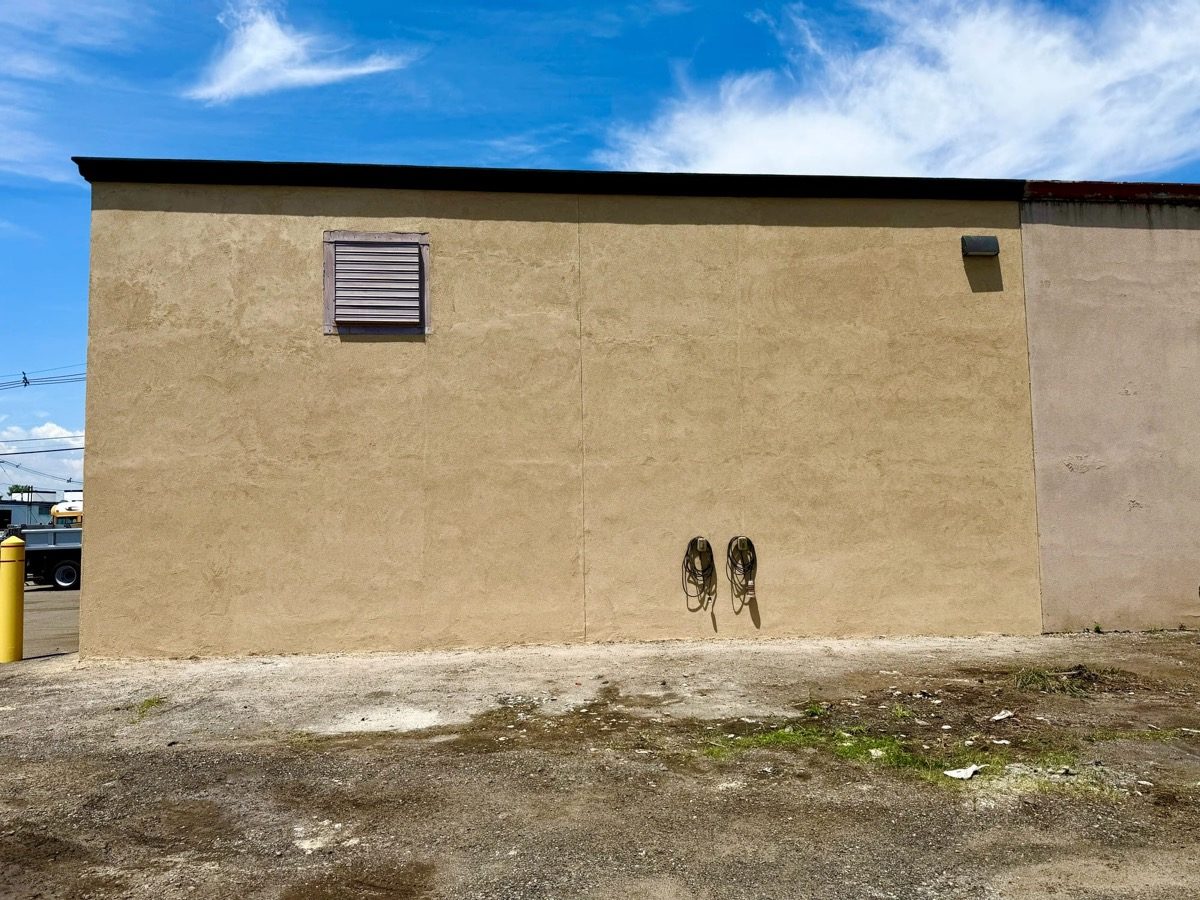
A stucco finish is made by how the last coat is applied and worked. Sand finish is floated to a fine grain, dash is flicked on in small raised bumps, lace or skip trowel is dragged flat over a rough layer, and smooth is troweled close and flat. Color is either mixed through the finish or put on as a coating. The names vary by region and mason, so a sample on your wall beats a name.
A finish is a technique, not a product
The finish coat is the thin last layer on a stucco wall.
The same base material can be given many different looks, depending on how much goes on, what tool is used, how the mason moves and when in the set the surface is worked. That is why people talk about stucco finishes in terms of what is done to the wall.
It also explains why finishes are so hard to describe over the phone. A name tells you the general family. It does not tell you the size of the grain, the height of the bumps or the pattern of the trowel marks, and those details are what you see from the street. Two walls with the same name can look quite different once light rakes across them in the late afternoon, which is why a sample held up outdoors is a better guide than a photograph.
Step 2 of 3
See it
Each picture sits right after the section it explains.
See itIllustrates section 01: A finish is a technique, not a product
Watch it happen
One finish coat, four ways to work it
The same finish coat is worked four ways: floated to a sand grain, flicked into dash bumps, dragged flat for a lace or skip trowel pattern, and troweled smooth; then a coating on top sets the color.
1. Sand finish
The finish coat is applied and then floated, so the sand grains in the mix come to the surface and give an even, fine grain.
2. Dash finish
A dash finish is made by throwing or flicking material at the wall with a brush or a hopper, leaving small raised bumps.
3. Lace and skip trowel
Lace and skip trowel finishes start with a rough layer and then drag a trowel across it, so the high spots flatten and the low spots stay rough.
4. Smooth finish
A smooth finish is troweled close and flat with very little texture. It is also the least forgiving finish, and shows every wave, hairline and patch, especially in low evening light.
5. Color on top
One route for color is a coating on top: a paint-like finish applied after the stucco has cured. It is easier to change and easier to match in a repair.
 Our work
Sand and float finishes
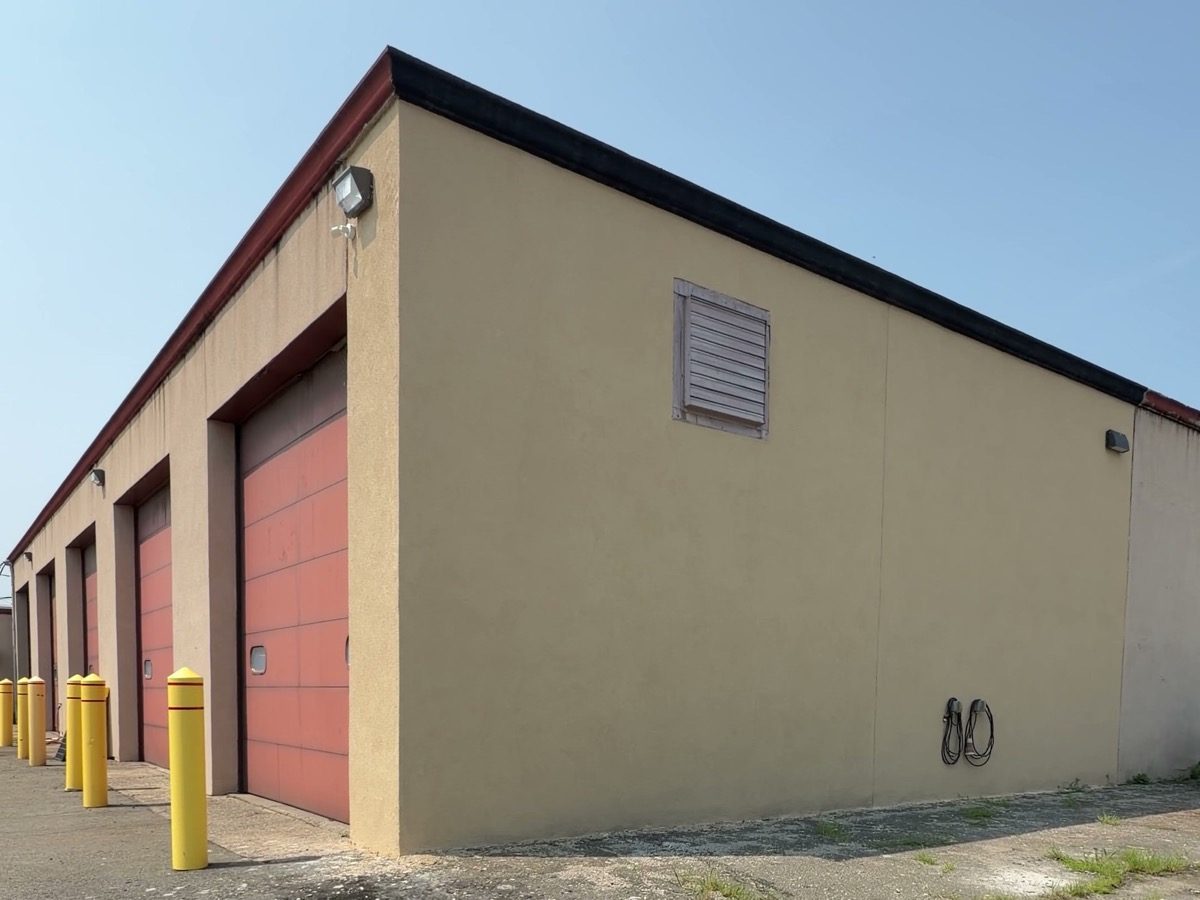
A sand finish is probably the most common.
The finish coat is applied and then floated, worked with a rubber, sponge or wood float, so the sand grains in the mix come to the surface and give an even, fine grain. Depending on the float and the sand, the result can be soft and fine or noticeably gritty.
This finish is forgiving. The grain hides small waves and hairlines better than a smooth finish does, and it is easy to patch and blend because the texture is uniform. It is a sensible choice when you want the wall to look consistent for years.
Dash, lace and skip trowel
A dash finish is made by throwing or flicking material at the wall with a brush or a hopper, leaving small raised bumps.
It can be left as it lands, or the peaks are lightly flattened. The bumps catch light and hide imperfections, and the size of the dash depends on the technique and how thick the material is.
Lace and skip trowel finishes start with a rough layer and then drag a trowel across it, so the high spots flatten and the low spots stay rough. The result is a pattern of flat islands in a textured field. These finishes look hand made, and that is part of the point. They also vary a lot from mason to mason, so a sample is more reliable than a name.
Smooth finishes
A smooth finish is troweled close and flat with very little texture.
It looks clean and modern, and it is a popular choice on newer builds. It is also the least forgiving finish. A flat surface shows every wave in the coat beneath, every hairline and every patch, especially in low evening light.
If you like the look, it is worth knowing that smooth walls tend to need more careful base work and more careful repair afterward. A smooth finish on a wall that already has movement or old cracks can look worse, not better, than a textured one.
How color gets into stucco
There are two common routes. Integral color is pigment mixed through the finish coat, so the color goes all the way through that layer.
It hides chips and scratches well because the color is not just on the surface. The drawback is that it is harder to match later, because the color depends on the batch, the water and the cure.
The other route is a coating on top: a paint-like finish applied after the stucco has cured. It is easier to change and easier to match in a repair, and it can be applied across the whole wall to tie new work to old. It can also peel or fade if the prep was poor, which is why the surface is cleaned and primed first.
Choosing or matching a finish
If you are matching an existing wall, the most reliable approach is a test area.
The mason works a small patch on your wall, you look at it cured, in daylight and from the street, and you decide. This works better than choosing from a photo or a name, because a photo flattens the texture and names vary by region.
If you are choosing a finish for a new coat, think about the light on the wall, the amount of movement in the house and how much touch up you expect over time. A forgiving texture such as sand or dash usually ages more gracefully than a smooth one. We will tell you which we would pick for your wall and show you samples either way.
Step 3 of 3
Act on it
Quick answers, where to read next, and how we can help.
Questions people ask
What is the most common stucco finish?
Sand or float finishes are very common, along with dash and lace variations. The right one depends on the house, the region and the look you want. A sample on your wall settles it.
Why does my finish not match the one my neighbor has?
Finishes are made by hand, so two jobs with the same name can look different. The tool, the material, the mason and the timing all change the result.
Is a smooth stucco finish worse?
It is not worse, but it is less forgiving. It shows waves, hairlines and patches more than a textured finish, so it needs better base work and more careful repair.
What is integral color?
It is pigment mixed into the finish coat so the color runs through that layer instead of sitting only on the surface. It hides chips well and is harder to match exactly later.
Can you match my current texture and color?
We can get very close and we make a test area so you can approve it first. Weathering means new material often looks different for a while, which a coat across the wall can resolve.
Seeing this at your place?
Send us a few photos through the contact page and the chat there, and we'll tell you what we think.
Request an estimateOur stucco and EIFS repair workAll guides
Enduring On Construction, a New Jersey general contractor. NJ home improvement contractor registration 13VH13745900.
